
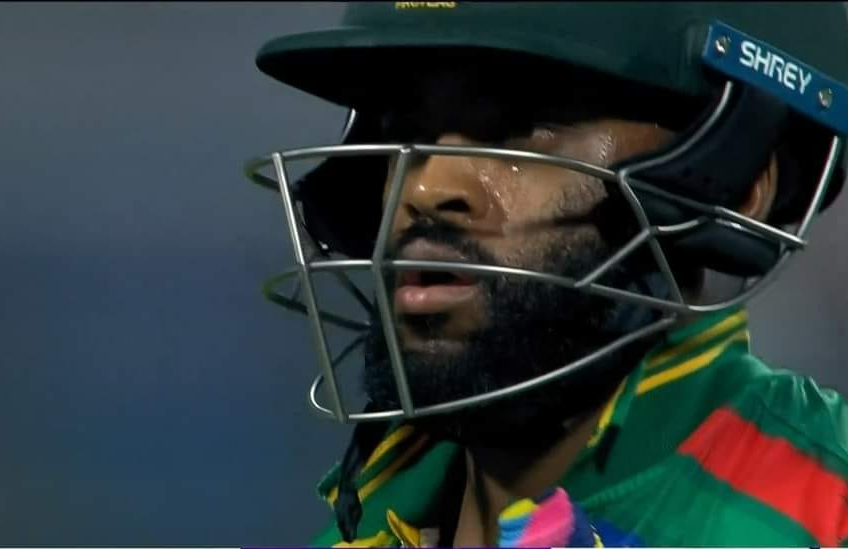
Cricket South Africa (CSA) has set an ambitious goal for the 2027 ODI World Cup, co-hosted by South Africa. CSA CEO Pholetsi Moseki recently announced that the Proteas XI must include at least two black African batsmen. This target is part of a “transformation master plan” aimed at developing black African batting talent through special coaching and mentoring. However, achieving this goal within three years seems incredibly optimistic, considering the historical context and the challenges faced in transforming South African cricket.
The Transformation Master Plan
Moseki shared with City Press that CSA has allocated between R4-million and R5-million for this development program. They have selected 45 players across three age groups: under-19, under-23, and over-23. The initiative aims to help these players transition seamlessly from domestic to international cricket, addressing a significant gap in South Africa’s cricketing landscape.
Since 2016, South Africa’s franchise and provincial teams have been required to include at least six players of colour in every starting XI, including three black African players. Despite this quota system, black African batsmen have struggled to secure places in the national team. Moseki acknowledges this issue, stating that while black African players are scoring runs at the domestic level, they may not be scoring enough to make themselves “unavoidable” for Proteas selection.
Historical Context and Challenges
The struggle to develop black African batsmen at the highest level has been a persistent issue. Over the past three decades, very few black African batsmen have successfully transitioned to the Proteas. This is not due to a lack of talent but rather systemic issues within South African cricket, including inadequate facilities, limited access to quality coaching, and socio-economic barriers.
CSA’s new initiative is undoubtedly a step in the right direction, but it is met with skepticism. The notion that CSA can produce more black African batsmen in the next three years than they have in the past 30 is difficult to believe. It suggests an expectation of a dramatic turnaround in a very short period, which overlooks the deep-rooted issues that have historically hindered the progress of black African cricketers.
The Reality of Transformation
Moseki’s comments reflect a sense of urgency and embarrassment over the current state of the national team’s diversity. The Proteas squad for the T20 World Cup in the West Indies and USA features nine white players and six players of colour, with only one black African, fast bowler Kagiso Rabada. This lack of diversity is a glaring issue that CSA aims to rectify before the 2027 World Cup.
However, setting a numerical target for black African batsmen in the top six is a simplistic solution to a complex problem. Cricket development is a long-term process that involves nurturing talent from a young age, providing continuous support, and creating an environment where players can thrive. It requires more than just financial investment; it needs a cultural shift within the sport’s administration and grassroots structures.
A Hopeful Yet Challenging Goal
CSA’s goal for 2027 is commendable and reflects a genuine desire to see a more representative national team. The special coaching and mentoring program is a positive move, but expecting a significant turnaround in just three years is overly optimistic. The success of this initiative will depend on its implementation, the commitment of all stakeholders, and the ability to address the underlying issues that have plagued South African cricket for decades.
In conclusion, while CSA’s ambitious goal of developing more black African batsmen is a step forward, it is essential to temper expectations with realism. Transformation in cricket, like any sport, is a gradual process that requires sustained effort and systemic change. Whether CSA can achieve in three years what has not been done in 30 remains to be seen, but the journey towards a more inclusive and representative Proteas team is certainly underway.


Leave a Reply