

In the cricketing world, the performance of the top order often sets the tone for a team’s innings. For South Africa, this aspect of their game has been a glaring weakness in recent matches, raising concerns about the depth and resilience of their batting lineup. Despite being three from three in their current tournament, the Proteas’ victories have come in spite of, rather than because of, their top order batsmen. This article delves into the failings of South Africa’s top order, examining their performances, and suggesting that the issues at hand are more profound than just challenging pitch conditions.
A Disappointing Top Order
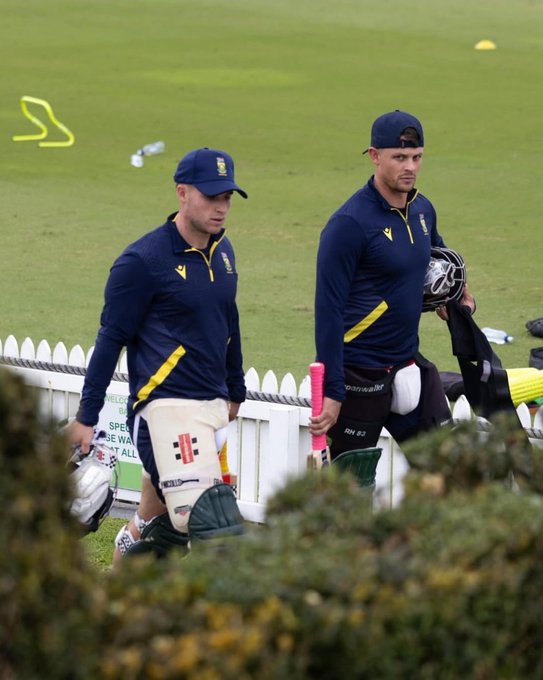
South Africa’s top three batsmen have struggled immensely throughout the tournament. Reeza Hendricks, Quinton de Kock, and Aiden Markram have failed to provide solid starts, which is evident from their dismal statistics:
- Reeza Hendricks: 50 runs in 4 matches at an average of 12.50 and a strike rate of 80.64.
- Quinton de Kock: 48 runs in 4 matches at an average of 12.00 and a strike rate of 97.95.
- Aiden Markram: 31 runs in 4 matches at an average of 7.75 and a strike rate of 65.95.
These numbers paint a bleak picture of a top order that has been unable to deliver the runs needed to provide a strong foundation. The highest powerplay score for South Africa in the tournament, a mere 38 runs against Nepal, underscores the severity of the problem.
The New York Excuse and St Vincent Reality
Initially, there might have been some leniency towards the top order’s performance, attributing their struggles to the challenging pitches in New York. However, the match in St Vincent against Nepal debunked this excuse. On a comparatively easier deck, the Proteas’ top order had no answers for the spin duo of Sandeep Lamichhane and Kushel Bhurtel. Lamichhane, returning to the team, bowled a tight spell of 0-18 in four overs, while Bhurtel wreaked havoc with figures of 4-19 in his four overs. This performance suggested that South Africa’s batting woes were not merely a result of difficult pitches but indicative of deeper issues within the lineup.
Middle Order to the Rescue
While the top order has faltered, South Africa’s middle order has been the saving grace on multiple occasions. David Miller and Heinrich Klaasen have each picked up man-of-the-match awards for their crucial contributions, while Tristan Stubbs’ quickfire 27 off 18 balls against Nepal was vital in securing victory. The reliance on the middle order to salvage the innings highlights the imbalance within the team. It is concerning that South Africa has had to scrape past relatively average batting teams, relying on their middle order to dig them out of trouble.
A Winning Concern
Despite the top order’s failures, South Africa remains unbeaten in the tournament. This paradoxical situation raises a critical question: how sustainable is this reliance on the middle order? The old cricketing adage, “Never accept in a victory what you wouldn’t accept in a loss,” rings particularly true here. The current success masks the underlying problems that could prove costly in more competitive matches.
The Proteas’ approach seems to accept the status quo of a failing top three. However, this is a dangerous precedent. Teams that consistently perform at the highest level cannot afford to have significant weaknesses in their lineup, especially not at the top. The top order’s inability to fire puts immense pressure on the middle and lower order, which is not a sustainable strategy for long-term success.
Looking Forward
For South Africa to maintain their winning streak and succeed against stronger opponents, they must address the failings of their top order. This might involve technical adjustments, changes in the batting order, or even personnel changes. The current situation is untenable for a team with aspirations of competing at the highest level.
In conclusion, South Africa’s top order has been a major concern throughout the tournament. While the team has managed to scrape through to victories, this cannot continue if they are to achieve their goals. The reliance on the middle order is unsustainable, and changes must be made to ensure a more balanced and resilient batting lineup. The saying, “Never accept in a victory what you wouldn’t accept in a loss,” is a reminder that the Proteas must not become complacent. Addressing these issues now is crucial for their future success.


Leave a Reply