The recent Africa Games, a beacon of continental sportsmanship and competition, found itself at the center of an unexpected cricket controversy. In an unusual oversight, there was confusion over which matches were awarded T20 International (T20I) status, leading to a scramble for clarity among the participating teams.
The International Cricket Council (ICC) confirmed to ESPNcricinfo that not all games were treated equally. Matches involving South Africa’s men’s and women’s teams, as well as Zimbabwe’s men’s team, did not receive T20I status. Conversely, clashes between the other six men’s and seven women’s teams were recognized as official T20Is.
This discrepancy came to light after Cricket South Africa (CSA) reached out to the ICC, seeking clarification on the international status of the games. According to ICC guidelines set in 2022, T20 matches adhering to specific playing conditions and regulations are generally classified as internationals, except for A team or age-group matches.
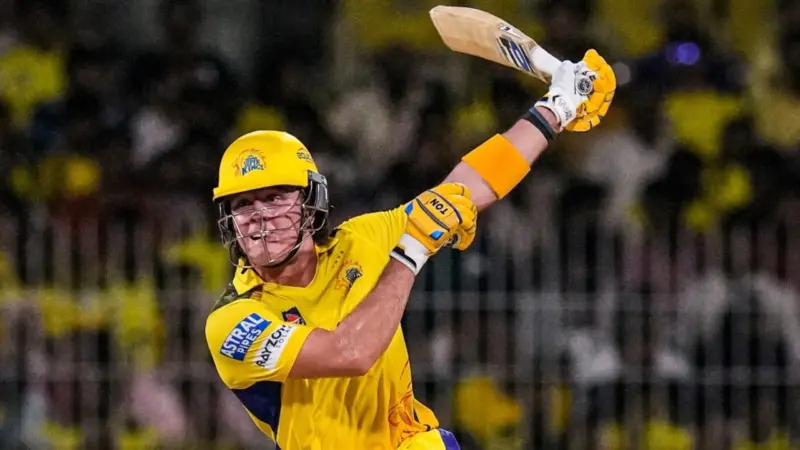
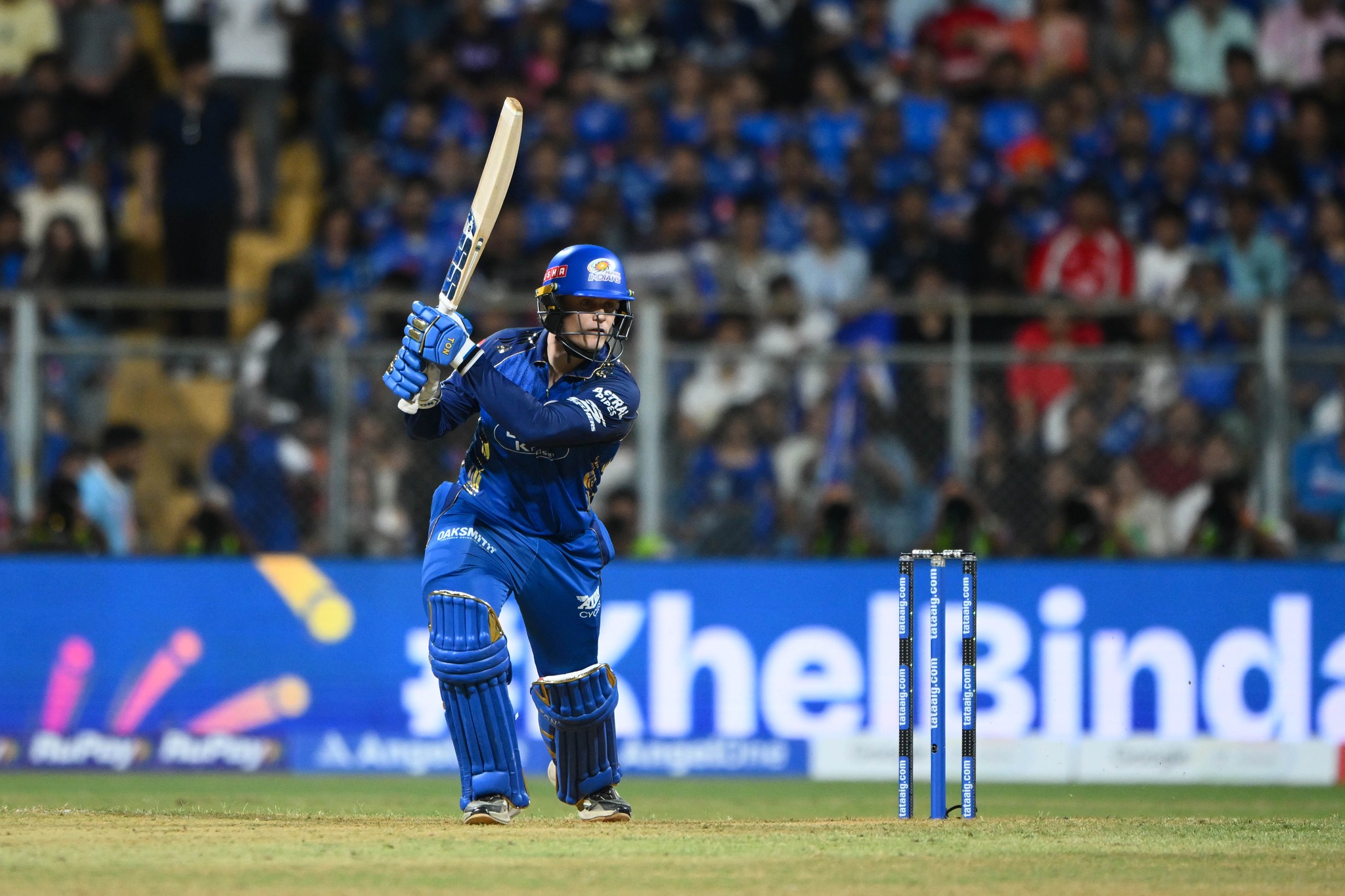
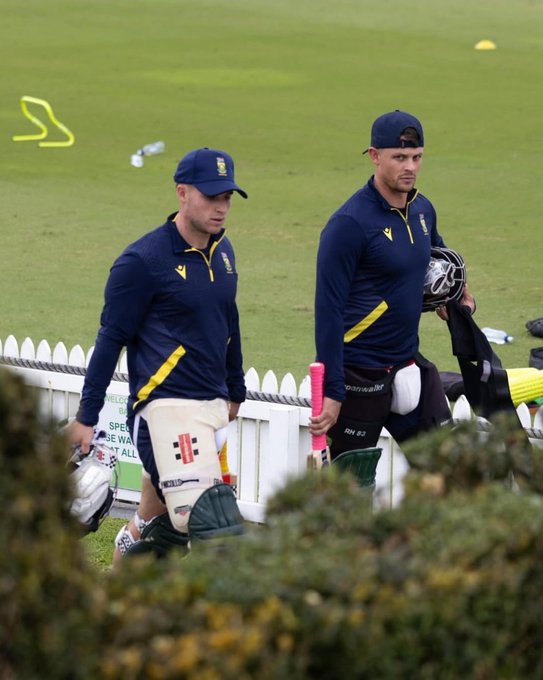
In response to these guidelines, South Africa decided to send emerging and university teams to the Africa Games, as their main squads had commitments elsewhere, including the Indian Premier League (IPL). Zimbabwe also made strategic selections, sending an under-25 men’s team but opting for their first-choice women’s squad, which clinched gold in both categories.
The confusion mainly stemmed from the expectations of the participating Associate nations, who believed they were competing in internationals, highlighting a significant communication gap. The responsibility for this oversight remains unclear, with potential lapses from the African Games organizers, the Africa Cricket Association, or the individual cricket boards.
Adding to the complexity, South Africa raised concerns about the implications of these games on T20I rankings and player records. A particular case was that of 16-year-old wicketkeeper Karabo Meso, who represented South Africa at the Africa Games and was subsequently selected for the senior team. CSA sought assurances that Meso’s official international debut would be recognized with the full-strength team, rather than the emerging side.
The revelation of this confusion prompted a deeper examination of the event’s preparedness, extending beyond cricket to other sports facilities, which had previously delayed the Games by seven months. Despite these challenges, the inclusion of cricket in the Africa Games for the first time marks a significant step towards its growth on the continent, even as the cricket community learns from this oversight to ensure clearer communication and guidelines in the future.


Leave a Reply to Mark RussellCancel reply