
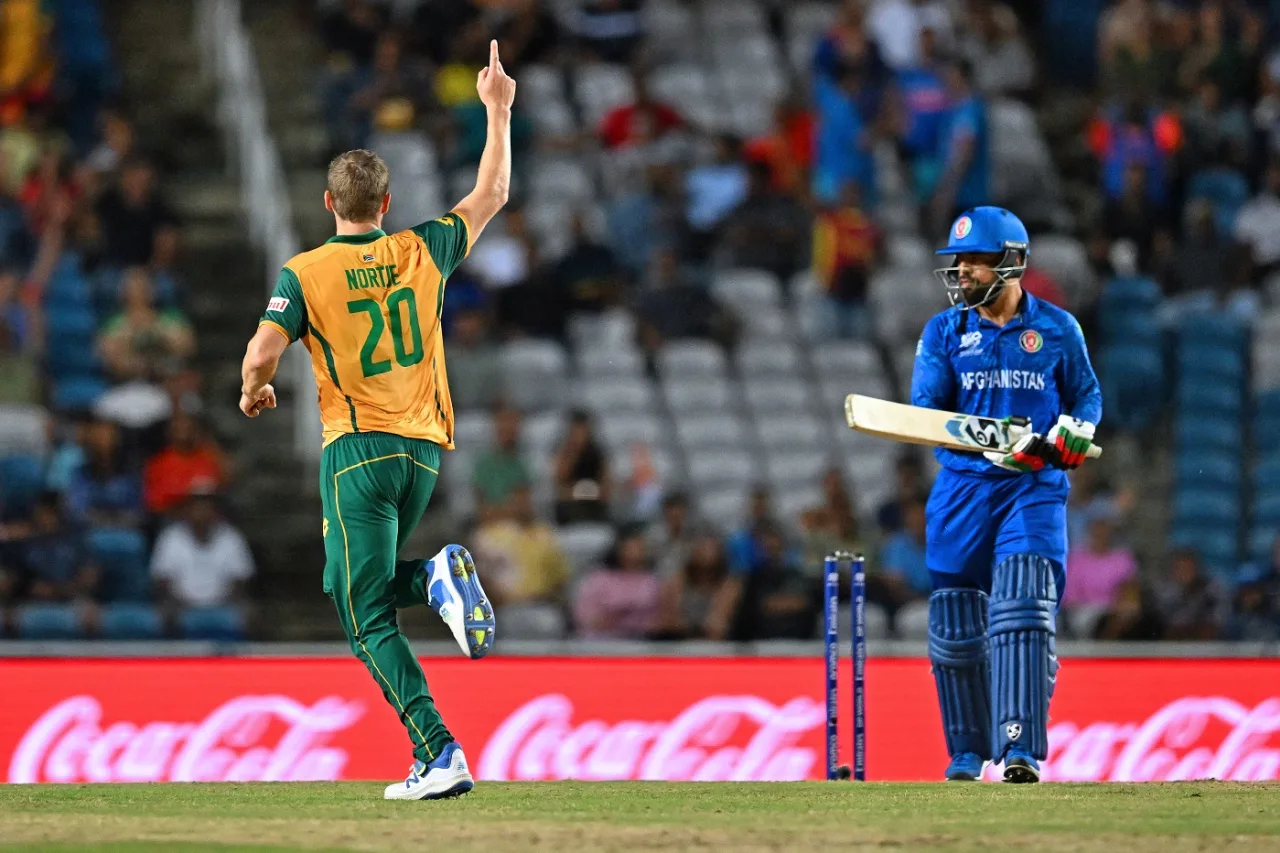
Cricket South Africa (CSA) has made the controversial decision to send the Proteas to Sharjah for a three-match ODI series against Afghanistan, despite the ongoing international debate surrounding Afghanistan’s treatment of women under Taliban rule. The decision stands in contrast to Cricket Australia’s refusal to play Afghanistan outside of ICC events, citing the country’s refusal to allow women to participate in sports.
CSA CEO Pholetsi Moseki has offered a detailed explanation for the board’s stance, shedding light on the complex considerations that led to the tour.
“It’s a very complex thing,” Moseki said in an interview with News24. “That’s why we have decided to align with the majority of the ICC members in showing solidarity to Afghanistan, their players, and the cricket board.”
Balancing Morality with the Development of Afghan Cricket
Afghanistan cricket has been in a delicate position since the Taliban’s return to power in 2021. The Taliban regime quickly rolled back women’s rights, including banning women from playing sports, leading to widespread international condemnation. Before the Taliban took over, Afghanistan Cricket Board (ACB) had given contracts to 25 female players in an effort to comply with ICC requirements for Test status, which includes having both men’s and women’s teams.
However, the Taliban’s rise has disrupted those efforts, forcing many female cricketers into exile, with some seeking refuge in countries like Australia.
“Whether it’s fair to punish Afghanistan cricket, who had given 25 women’s contracts before the United States handed the rule of Afghanistan back to the Taliban, is a difficult question,” Moseki added. “Our position is that penalising the Afghanistan Cricket Board and their players may not necessarily be the best way to go about it.”
Afghanistan’s men’s cricket team, which has risen through the ranks since its formation, qualified for its first ICC T20 World Cup in 2010 and attained Test status in 2017. However, the future of Afghan cricket remains uncertain due to the Taliban’s policies and the strained relationship between Afghanistan and other cricketing nations.
Cricket Australia’s Hard Stance
Cricket Australia took a firm stance on the issue in 2022 when they refused to play Afghanistan in a scheduled series, citing the Taliban’s treatment of women and the dismantling of Afghanistan’s women’s cricket team. The decision was backed by the Australian government, which has been a vocal critic of the Taliban’s human rights abuses.
Moseki addressed the different approaches taken by the two cricket boards: “I think the reason Australia went the route they went was because their government told them to. If our government were to say we shouldn’t play Afghanistan, which I don’t expect, we would probably treat it differently.”
However, he also noted the complexities involved. “This is more complex than what people are making it out to be,” Moseki said. “The ICC is trying to manage this in other ways, without penalising the Afghanistan Cricket Board, which has developed women players who are now scattered across the globe, running from the Taliban.”
ICC’s Role in the Crisis
The Afghanistan issue has become a regular topic of discussion at ICC meetings, with member nations divided on how best to address the situation. While some nations, like Australia, have chosen to boycott Afghanistan’s men’s team outside of ICC events, others, including South Africa, have opted to show solidarity with the players while pushing for broader discussions on gender equality in Afghan cricket.
Moseki emphasized the ongoing nature of these discussions: “All of us discuss the Afghanistan matter at every single ICC meeting, and it will probably come up again at next month’s meeting. It’s something that concerns all of us.”
South Africa’s Upcoming Tour
Despite the controversies, South Africa’s three-match ODI series against Afghanistan is scheduled to begin on 18 September in Sharjah. The Proteas, led by ODI captain Temba Bavuma, will be looking to maintain their competitive standards while contributing to the broader discussions on Afghan cricket.
Bavuma himself acknowledged the importance of results, despite the focus on experimentation within the squad. “Winning is the main thing,” he said, highlighting that even as South Africa builds squad depth, they cannot allow their level of excellence to drop.
The Bigger Picture
The situation surrounding Afghanistan’s cricket future is far from simple. While many nations and governing bodies are rightly concerned about the Taliban’s oppressive stance on women’s rights, there is also a desire to protect the progress Afghanistan has made on the cricket field. The balancing act between standing for women’s rights and nurturing a cricketing culture in Afghanistan is a challenging one for CSA and the ICC at large.
For now, South Africa will continue their tour, standing in solidarity with Afghan cricket while the world waits to see how this complex issue evolves in the coming months.
Afghanistan vs Proteas (ODI series)
- 18 September: 1st ODI, Sharjah
- 20 September: 2nd ODI, Sharjah
- 22 September: 3rd ODI, Sharjah


Leave a Reply