
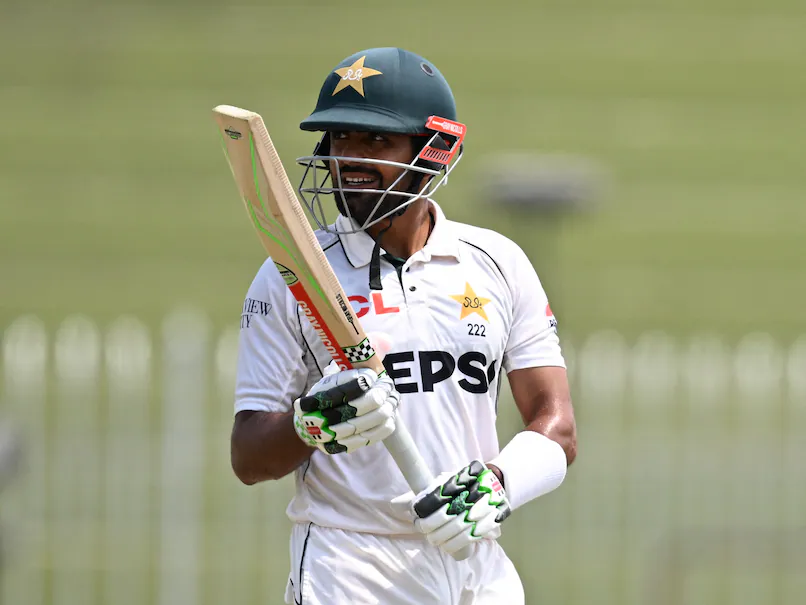
Pakistan’s cricket team has made headlines once again, but this time not for their on-field performance. The new selection panel has taken the bold decision to drop two of their biggest names, Babar Azam and Shaheen Shah Afridi, for the remainder of the Test series against England. This move, seen as controversial by many, is the latest in a series of off-field dramas that have engulfed Pakistan cricket in recent years.
Babar Azam and Shaheen Shah Afridi have been central figures in Pakistan’s cricket team. Azam, widely regarded as one of the best batters in the world, captained the national team in both white-ball and Test cricket until recently. Afridi, a pace bowler, has been one of Pakistan’s most reliable strike bowlers across all formats. Their exclusion, along with young pace sensation Naseem Shah, has raised eyebrows, especially as it comes after Pakistan’s disappointing innings defeat to England in the first Test of the series.
In a statement, the Pakistan Cricket Board (PCB) indicated that the new selection panel, which includes former international umpire Aleem Dar, based their decisions on the current form and fitness of key players. However, reports suggest that the panel may have gone against the wishes of newly appointed head coach Jason Gillespie. The former Australian fast bowler, along with Test captain Shan Masood, had called for backing the current squad after a string of poor results, including their recent 2-0 series loss to Bangladesh. Gillespie emphasized the importance of supporting the players, even during tough times, but the selectors seem to have had enough after three consecutive Test defeats under his watch.
Azam’s omission, in particular, has sparked outrage. Once touted as a rival to the likes of Virat Kohli, Joe Root, and Kane Williamson, Azam’s recent form has been underwhelming, having failed to register a half-century in his last 18 Test innings. Despite this lean run, his overall record remains impressive with a Test average of 43.92, including nine centuries. Critics, including former England captain Michael Vaughan, have labeled the decision as “absolutely stupid,” arguing that a player of Azam’s caliber should be supported through rough patches.
Current players have also come to Azam’s defense. Fakhar Zaman, a member of Pakistan’s T20 World Cup squad, compared Azam’s situation to that of Virat Kohli, who endured a similarly lean period but was not dropped by India. Zaman pointed out that Kohli’s class eventually prevailed, and Pakistan should show the same patience with Azam, rather than pressing the panic button.
Shaheen Shah Afridi’s exclusion also comes as a surprise. Once one of the most feared fast bowlers in the world, Afridi has struggled since returning from injury, managing only 17 wickets at an average of 45.47 in 2023. Naseem Shah, another highly rated pacer, has similarly seen a dip in form after his shoulder surgery last year, with his pace and effectiveness waning. In the first Test against England, Shah was expensive, conceding runs at more than five per over.
Despite the surprising omissions, the PCB’s selection panel, led by Aaqib Javed, has emphasized that these players have not been permanently discarded. Javed reiterated that the decision was made to allow these key players to regain their fitness and form away from the pressures of international cricket. “We are confident that this break will help them regain their confidence and composure, ensuring they return in top shape for future challenges,” he said.
Pakistan’s cricketing woes extend beyond just player performances. The team’s recent run of form has been poor, with seven losses and four draws at home since 2021. The instability off the field has only added to the chaos. The selection panel itself has seen five different chairs in the past three years, as political instability in the country has led to frequent changes in the PCB’s administration. On top of this, the team has cycled through six coaches in just two years, with Gillespie being the latest to take the helm of the red-ball team, while Gary Kirsten leads the white-ball squads.
The revolving door of leadership has not only affected the coaching staff but also the captaincy. Babar Azam was replaced as white-ball captain by Afridi, while Shan Masood took over the Test team. Azam was briefly reinstated after the ODI World Cup before resigning earlier this year. Such frequent changes have likely affected player morale, and Afridi’s own struggles with form and fitness could partly be attributed to the uncertainty surrounding his role in the team.
Looking ahead, Pakistan’s future remains uncertain. The selection panel has called up several uncapped players, including Haseebullah, Kamran Ghulam, and Mehran Mumtaz. There is also a return to spin-friendly conditions, with three specialist spinners included in the squad, signaling a tactical shift for the remainder of the series.
While the PCB hopes this shake-up will bring about a change in fortunes, the decision to drop players of Azam’s and Afridi’s stature has divided opinion. Whether this bold approach will pay off or further plunge Pakistan cricket into chaos remains to be seen. For now, the spotlight is firmly on the new-look squad and whether they can deliver against a strong England side.


Leave a Reply