

Pakistani cricket often feels like a box of chocolates—you never know what’s inside, whether it’s sweet, off, or in-fighting among the pieces. The build-up to Pakistan’s crucial two-Test series against South Africa has been no different. The resignation of head coach Jason Gillespie just weeks before the tour has left the team in chaos, adding to the uncertainty surrounding their performances.
For those who saw Gillespie’s tenure unravel, this resignation comes as little surprise. What do you even call it when a team fires its high-performance coach without discussing it with the head coach? Negging him into quitting seems like the only reasonable explanation. Pakistan now enters a challenging series against a South African side in form under interim coach Aaqib Javed, but the real question remains: how will this turmoil affect the team on the field?
Jason Gillespie’s Breaking Point
Gillespie, who guided Pakistan to an impressive 2-1 comeback series victory over England, revealed that he felt “completely and utterly blindsided” by decisions from the Pakistan Cricket Board (PCB). The final straw came with the sacking of high-performance coach Tim Nielsen—a move that Gillespie only discovered after the fact.
“All the feedback I and the PCB got was just how effective Tim had been in his role,” Gillespie said. Nielsen had been a driving force behind the team’s dramatic improvement in the field, an area where Pakistan has historically struggled. “The players were calling him ‘Grandpa’—there was good banter, and we were taking all our chances. Not many Pakistan teams can say they’ve out-fielded an opposition.”
Despite this success, Nielsen’s dismissal sent a clear message to Gillespie. “When the head coach doesn’t get a text, phone call, or email about a pretty big decision, you’re left thinking, ‘Do they actually want me to do this job?’” Gillespie added that his role had been diminished to “basically hitting catches” and scrambling for team news the day before matches.
The Shaheen Afridi Omission
Perhaps the clearest sign that Gillespie’s influence was fading came with the non-selection of Shaheen Afridi for the South Africa tour. For a Test series on South African pitches, leaving out Pakistan’s best fast bowler is baffling. Whether this was a selection oversight or an intentional decision, it points to a breakdown in communication between selectors and the coaching staff.
In any cricketing structure, a coach may not need to sit on the selection panel, but they must be in the loop regarding team composition. Gillespie himself admitted, “You want to have clear communication with all stakeholders. Knowing the team at least a day before the game allows you to help prepare the players.” Without that role, what is a coach meant to do?
Pakistan’s South Africa Challenge
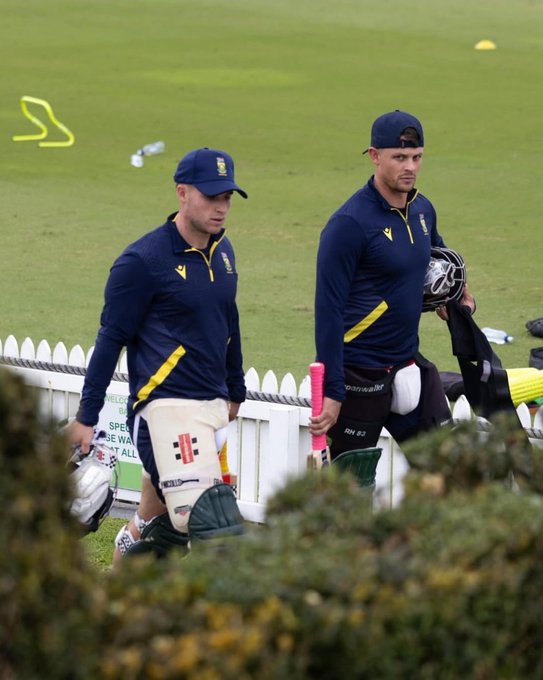
The timing of Gillespie’s resignation couldn’t be worse. Pakistan faces a formidable South African team that has dominated in recent months and will see this series as an opportunity to solidify their position in the World Test Championship standings. Under interim coach Aaqib Javed, Pakistan must now regroup and prepare in the midst of turmoil.
The South African tour presents a significant challenge for a team already struggling with consistency. Gillespie’s departure, the absence of Shaheen Afridi, and a cloud of uncertainty over the leadership structure make Pakistan’s prospects even murkier.
A Familiar Tale of Instability
Gillespie’s resignation is just the latest chapter in Pakistan’s ongoing struggle for stability. Earlier this year, Gary Kirsten stepped down as the white-ball coach, citing similar frustrations. Now, the responsibility falls to Aaqib Javed, but Pakistan’s coaching carousel raises serious concerns about long-term planning and accountability.
The team remains a paradox: capable of thrilling comebacks, yet constantly undermined by off-field chaos. As Gillespie exits, he leaves behind a blunt message: coaches need to be empowered to lead, plan, and prepare. Otherwise, they’re left “hitting catches” while the team drifts into uncertainty.
Conclusion
Pakistan’s tour of South Africa now carries an extra layer of intrigue. Will the players rally in the face of adversity, or will the chaos off the field spill into their performances? For a team as talented as Pakistan, this shouldn’t be the standard. But then again, when has Pakistan cricket ever been predictable?
The two-Test series begins on December 26 in Centurion, followed by the second Test in Cape Town from January 3-7. Whether Pakistan can rise above the turmoil remains to be seen, but one thing is clear: the chocolates in this box are as unpredictable as ever.


Leave a Reply