When Kagiso Rabada scans the South African dressing room in Darwin this week, he sees more than just teammates preparing for Australia. He sees echoes of himself a decade ago — the wide eyes, the restless energy, the sense that anything is possible because you’re too young to believe otherwise.
South Africa’s white-ball squad for this tour is almost a postcard from the future. There’s Lhuan-dre Pretorius, fresh from topping the run charts in the SA20. Dewald Brevis, who went from teenage sensation at the 2022 Under-19 World Cup to a name whispered in every conversation about the next big thing. And Kwena Maphaka, a left-arm quick whose teenage years have already included an IPL deal, a national debut, and the small matter of being trusted with the new ball at the highest level.
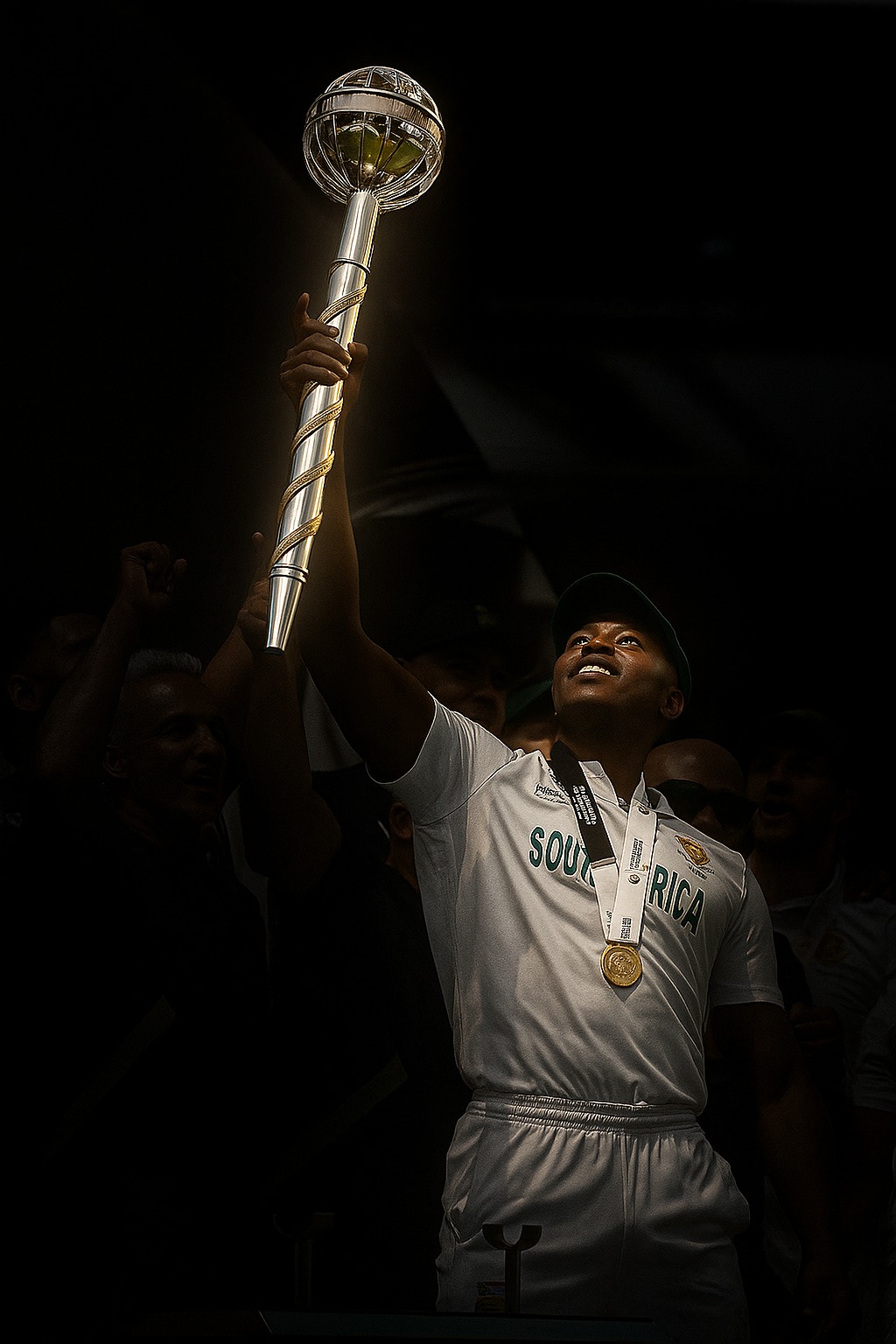
It’s a long way from the granite-nerved veterans who led South Africa to the World Test Championship crown in June. But this shift is deliberate. With the 2026 T20 World Cup and a home ODI World Cup in 2027 marked in bold on the calendar, the Proteas are choosing to invest in scars and stories now, so the next generation will know exactly how to handle pressure when those tournaments arrive.
“When I came here for the first time, I was in the same space they are now,” Rabada said on Thursday, his voice carrying both nostalgia and anticipation. “I’m sure they just want to do their best. They’ve got no fear. When you’re young, you’ve got no fear at all. I’m excited to see how they’re going to go in their careers.”
Captain Aiden Markram calls them “explosive and fearless” — players whose approach reminds him of the reckless optimism only available to 19- and 20-year-olds.
“At that age there’s not many worries in the world, and it shows in the way they train and operate,” Markram said. “We’ve got a handful of them this tour, and it’s a great opportunity to see what they’re about — and to let them entertain people.”
Rabada himself is fresh from a rare breather. His nine-wicket performance in the WTC final drained the tank, so he swapped cricket spikes for sandals and spent a holiday in Greece before returning to the fold. Now, his role is more than just taking wickets — it’s about guiding without smothering.
“Because Kwena’s a bowler, I feel obliged to take him under extra care,” Rabada said. “But he’ll learn from his own experiences and his own journey. We’re just there as sounding boards, not to run their careers for them.”
Still just 19, Maphaka already has 18 international wickets from two Tests, two ODIs, and eight T20Is. He, like the rest of this squad, is also adjusting to Shukri Conrad’s expanding influence now that the head coach is steering the white-ball ship as well. Rabada hints at “left-field” ideas from Conrad as part of a longer build towards South Africa’s dual world cup targets.
“The bigger goal is 2027, but there’s also the short-term goal of the 2026 T20 World Cup,” Rabada said. “Guys like David [Miller] and Marco [Jansen] will be back, and that adds experience. These games against Australia are about getting a feel for each other as teammates, figuring out how we want to play. It’s a process of evaluation, without fear of winning or losing — though we always play to win.”
For Rabada, there’s a certain symmetry to it all: the young tearaway who once arrived with nothing to lose now mentoring players who are living that same moment. For the rookies, it’s a priceless crash course against Australia in Australia. And for South African cricket, it’s the first paragraph of a chapter that could define the next decade.


Leave a Reply