
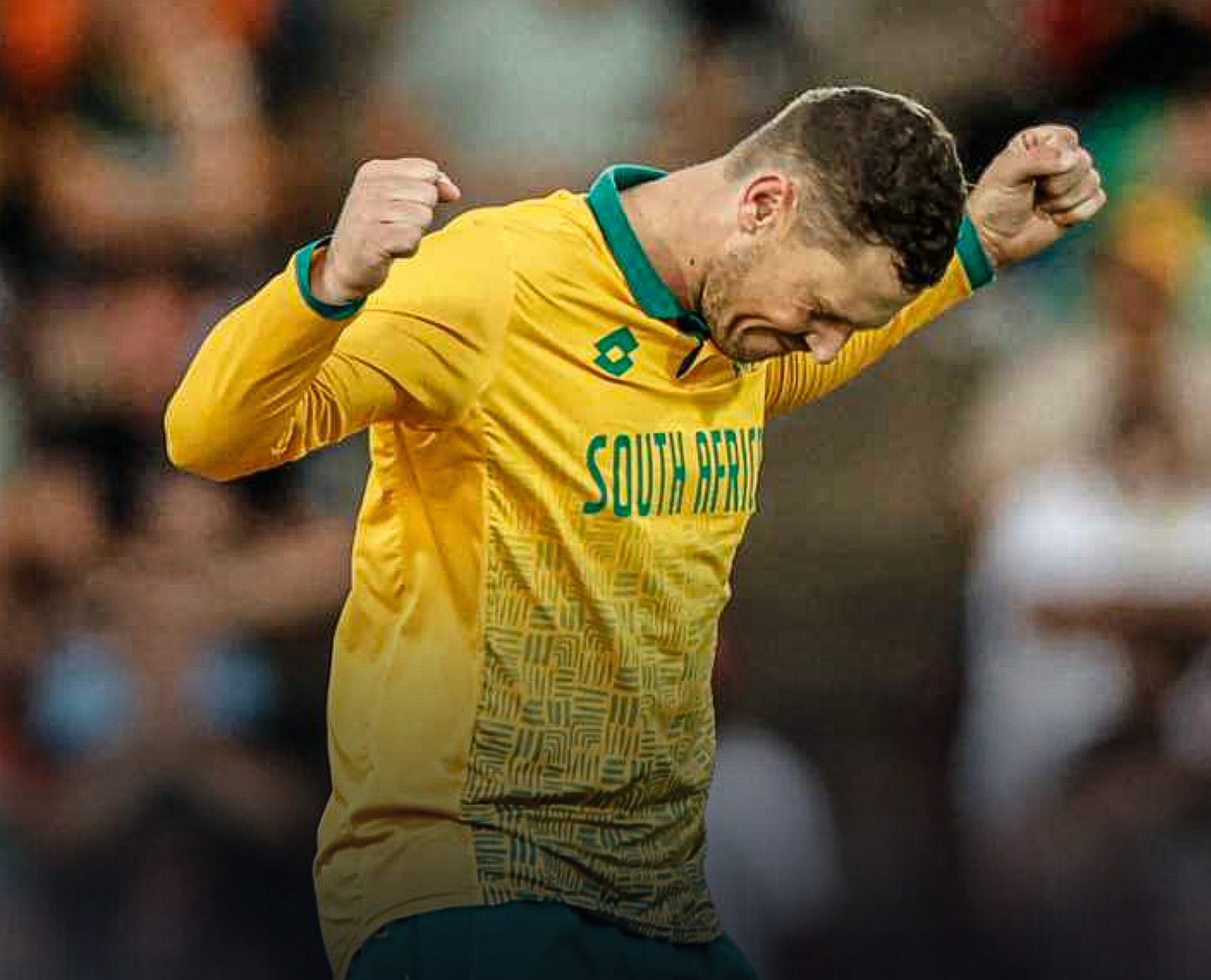
South Africa do not have the luxury of dwelling for long.
Their 2026 T20 World Cup campaign ended in disappointment, not merely because it fell in a semi-final, but because it ended at the hands of the very team they are about to face again. New Zealand beat the Proteas by nine wickets in Kolkata on 4 March, after South Africa posted 169/8 and watched Finn Allen tear through the chase with a record-breaking 33-ball century. It was a brutal exit, and one that left little room for excuses.
Ordinarily, a defeat like that invites a period of reflection, maybe even a little mourning. But modern cricket has a habit of denying teams that luxury. South Africa are straight back into action in a five-match T20I series in New Zealand from March 15 to 25, and that changes the mood almost immediately. There is no real time to sit with the disappointment. The next challenge is already here.
In some ways, that may be a good thing.
This is not a tour that will be defined by grief or by endless re-litigation of what went wrong in Kolkata. It is an experimental series, and that makes it something different: an opportunity. Keshav Maharaj will captain South Africa in New Zealand, with the selectors naming a squad that has a distinctly developmental feel to it. Maharaj, George Linde and Jason Smith are the only players from the World Cup group set to continue on the tour, which underlines the point. This is not simply World Cup hangover cricket. It is a chance for a new set of players to step into the international environment and make an impression.
That makes Maharaj a sensible choice as leader. He brings calm, experience and a degree of continuity to a side that will otherwise have a very fresh look. South Africa need that stability, because this series is less about preserving a settled first-choice XI and more about broadening the pool. If the Proteas are serious about being a consistently dangerous T20 side, they cannot just rely on the same core names every cycle. They need options, depth and players who can be trusted when the biggest names are unavailable.
That is why this squad is interesting.
Among those given a chance are uncapped batters Connor Esterhuizen, Dian Forrester and Jordan Hermann, all rewarded for strong domestic T20 returns. Rubin Hermann is also in the group, while 19-year-old quick Nqobani Mokoena gets an opportunity after catching the eye in the SA20. These are not token selections. They are auditions. Tours like this often tell you less about what a team is right now and more about what it might become over the next two years.
There are, too, a couple of familiar names with something to gain. Gerald Coetzee returns to the T20I setup for the first time since featuring against Namibia in October 2025, while Tony de Zorzi is back after recovering from a right hamstring injury. For both players, this is a chance to reassert themselves in a format where South Africa are still trying to settle combinations and roles.
One squad change has already been forced. Eathan Bosch, initially selected, has been ruled out through injury and replaced by Wiaan Mulder, giving South Africa another seam-bowling all-round option for the tour. That alters the balance slightly, but not the broader purpose of the trip. This is still a squad built around opportunity rather than certainty.
And that is really the story here. Yes, the World Cup ended badly. Yes, losing to New Zealand in a semi-final will sting. But the calendar does not allow South Africa to retreat into that disappointment for long. Instead, it asks a different question: who is next?
In New Zealand, the Proteas may not get the comfort of closure. What they do get is something else — a chance to begin again, and for a new group of players, a chance to show they belong.


Leave a Reply