

When the gavel finally fell in Johannesburg, Dewald Brevis stood atop the mountain as the most expensive player in SA20 history. The Pretoria Capitals had just spent R16.5 million on a 21-year-old cricketer who has yet to playh in a senior international tournament, let alone dominate one. Minutes earlier, Aiden Markram, South Africa’s T20I captain, had fetched R14 million from Durban’s Super Giants. These are headline-grabbing numbers, particularly in a league with a R41 million salary cap, the idea that one player can take up more than 40% of your salary cap seems inefficient.
From a purely cricketing perspective, these bids make very little sense. T20 cricket is not like football, where one player can transform a team’s fortunes almost single-handedly. Even a generational T20 player cannot bat in every position, bowl four overs every game, and captain without flaw. But to look at these signings purely through the lens of on-field performance is to miss the point entirely. The SA20 is a business, and these moves were as much about branding, broadcast rights, and global reach as they were about runs and wickets.
The Unique Business Model of SA20
The SA20 occupies a strange and lucrative place in the crowded T20 calendar. Unlike many domestic leagues, it has achieved something quite rare: outright profitability.
Part of this is simple scheduling. The tournament takes place in January and February, a time when Indian cricket is often on pause. That means there is no direct competition with the IPL juggernaut or the relentless churn of India’s home season. It also ensures that prime-time SA20 matches are perfectly timed for the Indian TV audience, which happens to be the most valuable market in cricket.
The current broadcast deal is good, but there is every reason to believe the next one will be a monster relative to South Africa’s market size. SuperSport, one of the league’s part-owners, almost certainly isn’t maxing out domestic TV revenue right now. They don’t need to. It is more valuable to leave some upside on the table and drive long-term growth. In other words, the league’s financial structure was designed with expansion and internationalisation in mind, and early results suggest it’s working. Reports suggest SA20’s media value in India jumped 96% year-on-year. That’s a staggering number for a league still in its infancy, and it puts the upcoming broadcast negotiations firmly in SA20’s favour.
All of this matters because when teams are paying Brevis and Markram these kinds of sums, they’re not just paying for cricket. They are paying for marketability, for TV eyeballs, and for a seat at the table in the global T20 economy.
Markram and the “Top-Up Fee”
Let’s start with Markram.
At R14 million, Durban’s Super Giants paid him a sum that might seem extravagant at first glance. Markram is a proven player, yes, but he’s not a generational superstar like AB de Villiers or Virat Kohli. However, the figure begins to make more sense when you consider the broader context.
Markram already plays for the Lucknow Super Giants in the IPL; the sister franchise of Durban’s SA20 team. His salary there? Around R4 million. That’s not an insignificant amount, but it is a fraction of what he just received at the SA20 auction.
This is where the economics come in. By paying Markram R14 million for the SA20, the Lucknow group are effectively topping up the salary of one of their key players. They are not just buying a cricketer for a few weeks of work in South Africa. They are securing his loyalty across multiple competitions, strengthening their global brand, and ensuring that their star feels valued.
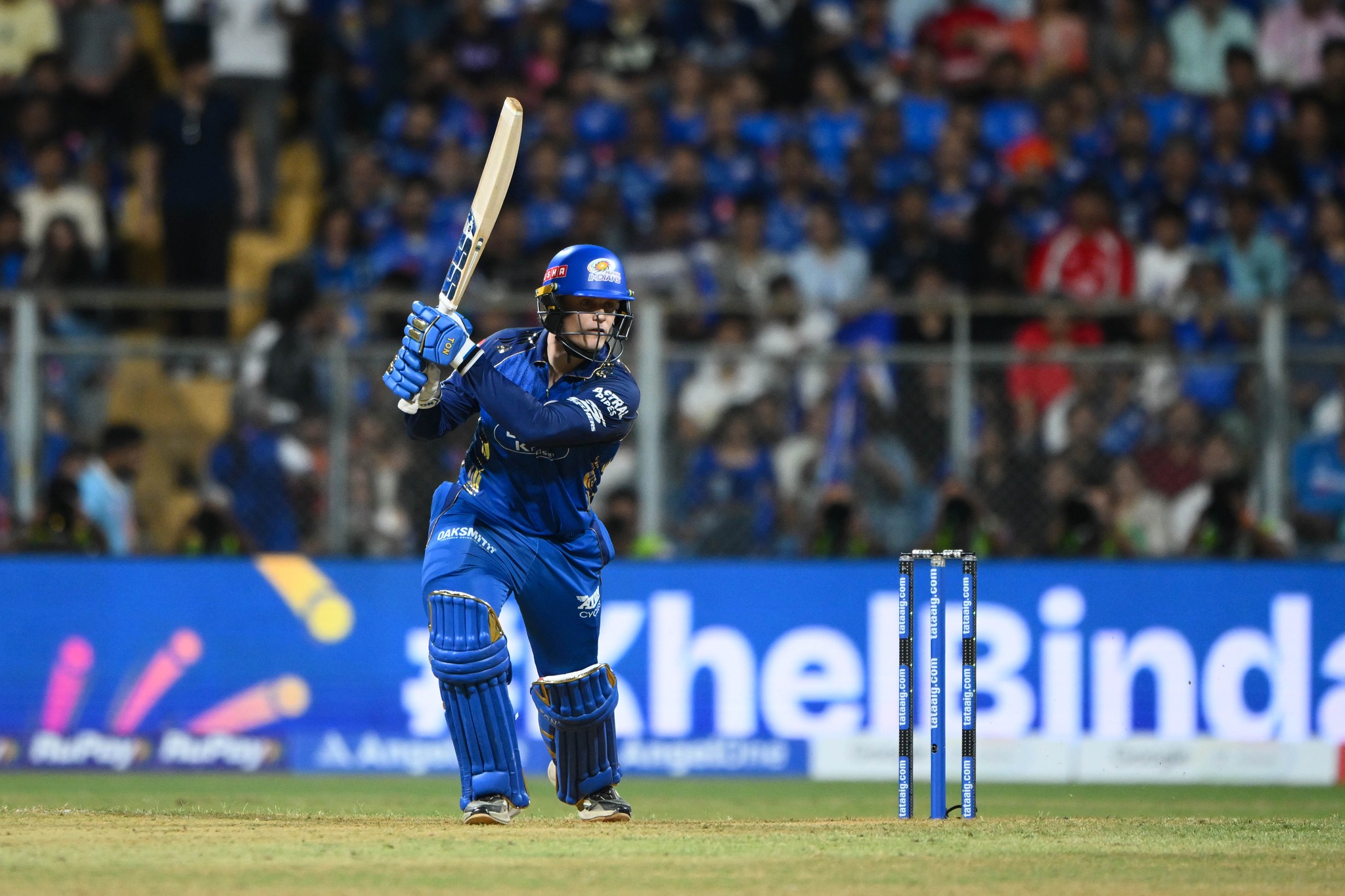
From a cricketing standpoint, Markram’s signing is also relatively straightforward to justify. He is the face of South Africa’s T20 project, a national captain, and a man with two SA20 titles under his belt. He averaged 34.23 with a strike rate of 148.82 in his debut IPL season for the Giants — numbers that suggest he has adapted well to the world’s toughest T20 league. For Durban, getting Markram isn’t just about his runs. It’s about having a leader who can be marketed across two continents, a familiar face for both South African and Indian fans.
In short, the R14 million is less about value on the field and more about value off it. It’s a strategic investment in continuity and branding.
The Brevis Equation: Local Hero, Global Brand
If Markram’s signing was logical, Brevis’s was growth-oriented
Everyone knew going into the auction that Dewald Brevis would command a record bid. The only question was how high it would go and which two teams would fight it out. In the end, it came down to the obvious contenders: Joburg Super Kings (JSK) and Pretoria Capitals.
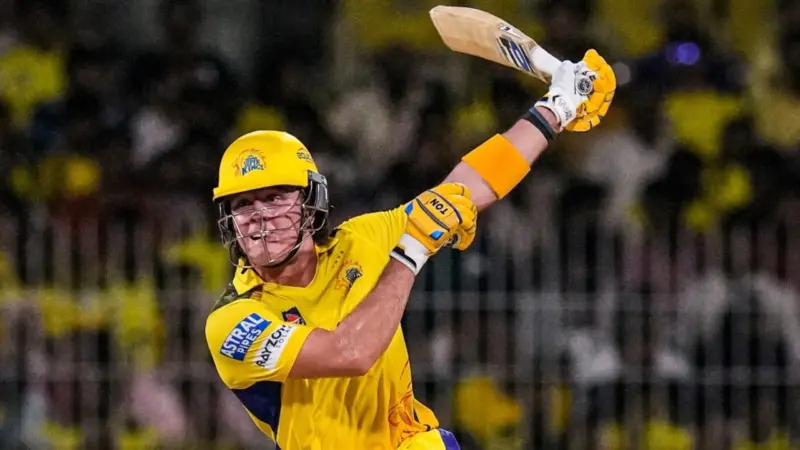
JSK are a satellite team for Brevis’s IPL franchise, Chennai Super Kings. From their perspective, bringing him into the fold was about alignment. Pretoria, on the other hand, had the largest bankroll in the auction and the added advantage of being Brevis’s home team. A local hero playing at SuperSport Park is marketing gold.
The final price — R16.5 million — was inevitable. As Sourav Ganguly put it, “I never associate performance with money. Leaving aside the R16.5 million, I believe he is a fantastic talent. He plays spin very well, which is extremely important, and taking everything into account, that’s why he went for that price.”
That last phrase, “taking everything into account”, does a lot of heavy lifting.
From a purely cricket perspective, this deal is indefensible. No team should spend 40% of their cap on a single player unless he can bat in the top order, bowl four overs at a world-class level, and captain like a chess grandmaster. Even prime Shane Watson, arguably the greatest T20 player of all time, would have been a questionable use of 40% of a team’s budget.
Brevis isn’t there yet. He might never be.
But here’s where business takes over. Brevis has 1.5 million Instagram followers. He already has endorsement deals with Red Bull, Volvo, Oakley, and others. His off-field value dwarfs his on-field salary. He is the perfect player to put on billboards around Pretoria and, more importantly, on Indian television screens.
SA20’s rapid growth in India is no accident. Having a marketable local star like Brevis is vital to sustaining that growth. His association with AB de Villiers, who mentored him early in his career, only adds to the narrative. AB was a global icon. Brevis has been positioned as his heir. That kind of storytelling sells tickets, jerseys, and broadcast packages.
The R16.5 million is an upfront cost, but the long-term returns — in brand value, sponsorships, and TV revenue — could be exponential.
Why These Deals Matter Beyond the Players
The contrast between Markram and Brevis illustrates two sides of the same coin.
Markram represents the corporate alignment model. His signing strengthens ties between two franchises, spreads marketing costs across multiple competitions, and provides stability. It’s a business decision rooted in efficiency.
Brevis represents the superstar model. His value lies not in what he can do on the field today but in what he represents. He is a product to be marketed, a story to be sold. Pretoria Capitals are betting that he will become the face of South African cricket for the next decade, and they are willing to pay upfront to secure that future.
In both cases, the numbers involved make sense only when you zoom out.
The SA20 is positioning itself as the second-most important T20 league in the world, behind only the IPL. That requires stars, narratives, and visibility. When media value is surging by 96% year-on-year, you don’t quibble over whether a player is worth R10 million or R16 million. You pay the price, secure the asset, and figure out the cricketing details later.
The Future of the League
These deals also hint at where the SA20 might be heading.
The IPL has already shown that teams are no longer just local cricket clubs. They are multinational brands with global ambitions. The SA20 is following that path, albeit at a smaller scale.
The league’s ownership structure — with IPL franchises controlling several SA20 teams — creates natural synergies. Players can be moved, marketed, and managed across multiple competitions. Broadcast deals can be negotiated with cross-border leverage.
When the next TV rights deal comes up, the presence of stars like Brevis and Markram will be crucial. Their visibility in India will directly impact the price broadcasters are willing to pay. If SA20 continues its upward trajectory, the numbers we are discussing today may look quaint in a few years.
Cricket vs. Commerce
Purists will bristle at these developments. They will argue, correctly, that no player is worth 40% of a salary cap. They will point out that building a balanced squad is more important than splurging on one star.
From a purely cricketing perspective, they are right. Pretoria Capitals will have to get creative to field a competitive XI with the budget they have left. Durban’s Super Giants will need Markram to deliver both as a player and as a leader.
But cricket is no longer just a sport. It is an entertainment product competing for attention in a crowded global marketplace. In that context, these deals are not just rational, they are necessary.
Brevis and Markram are not merely cricketers. They are assets, symbols, and marketing tools. Their value lies as much in the eyeballs they attract as in the runs they score.
Final Word
When Shane Watson was at his peak, he could open the batting, bowl four overs of genuine quality, and lead a team with authority. Even then, he probably wouldn’t have justified 40% of a salary cap.
Brevis is no Shane Watson. Markram is no AB de Villiers. But that doesn’t matter. The game has changed.
The SA20 is a profitable, growing league with a clear vision for the future. It is perfectly timed for the Indian market, perfectly structured for cross-border ownership, and perfectly poised to cash in when the next TV rights deal comes around.
These two signings are not just about cricket. They are about what the SA20 wants to be: a global player in the T20 economy. In that sense, R16.5 million for Brevis and R14 million for Markram might not be expensive at all. They might be the cost of doing business. After all, you’re not just paying for a cricketer, but the face and future of a global enterprise.


Leave a Reply